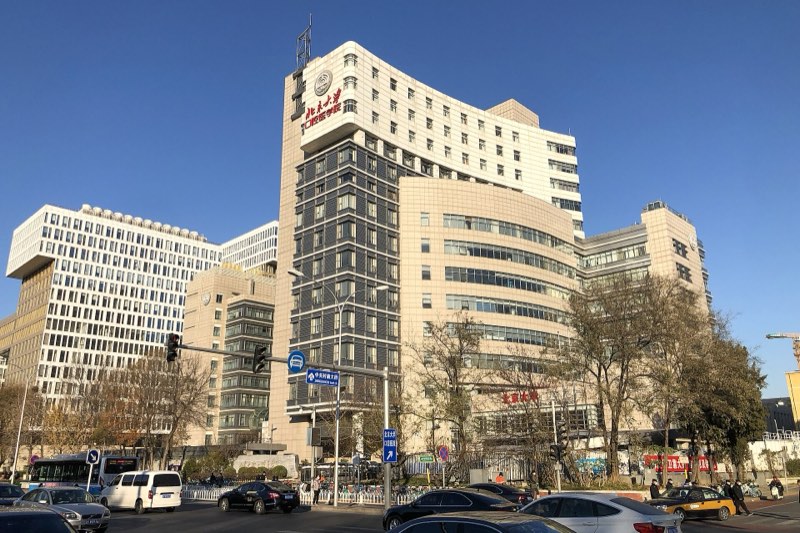
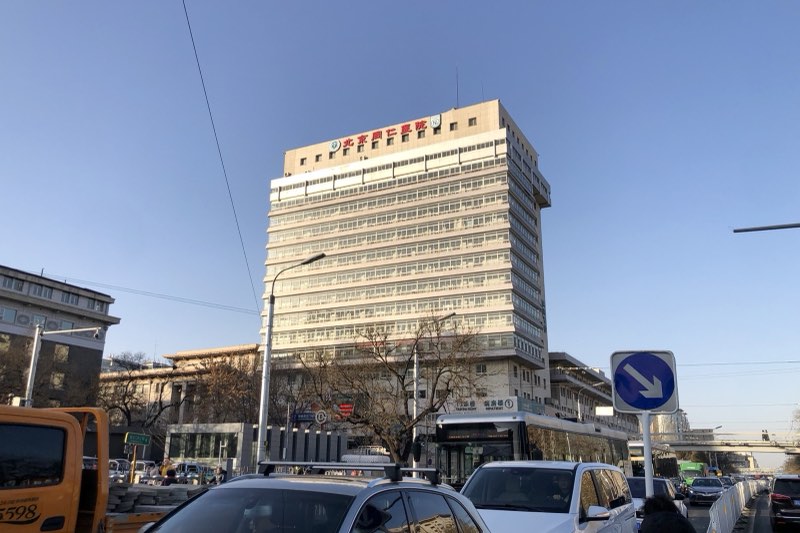
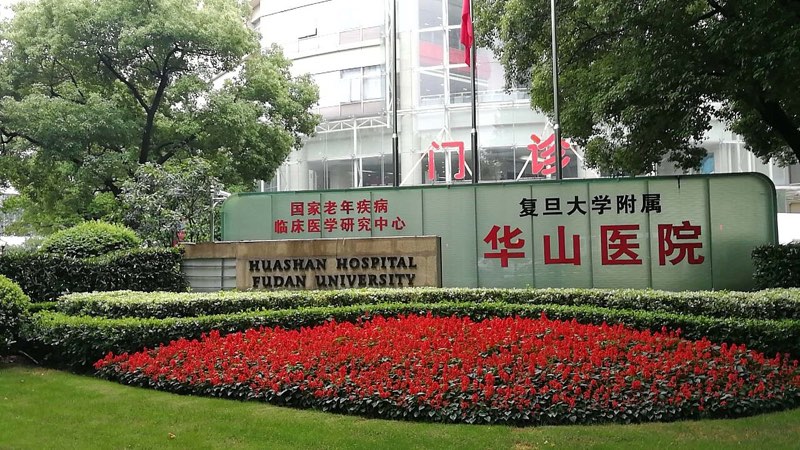
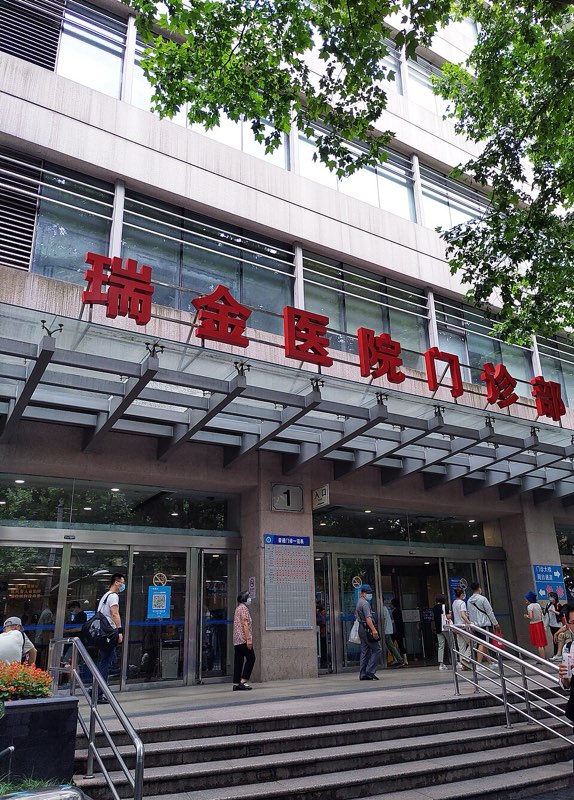
This finder compares the hospitals in the Chinese cities foreign patients use most, from national centres for heart, brain and cancer care to a private hospital built around English-speaking expatriates. Sort them by what you need treated and by city, or tick the box to show only hospitals with an international department or expat-focused service. Each card gives the hospital's city, grade, strongest specialties and whether it has an international department; open any card for the full guide, with how foreign patients book, the Chinese address to print for your driver, and the sources we checked.
If you are still deciding whether medical tourism in China is right for you, start with our guide to visas, booking, costs and risks.
Which hospitals in China are considered the best?
There is no single best hospital in China. The answer depends on what you need treated, and on whether you care more about clinical depth or about an English-speaking experience. These are the names foreign patients ask for most, and the ones we would shortlist first:
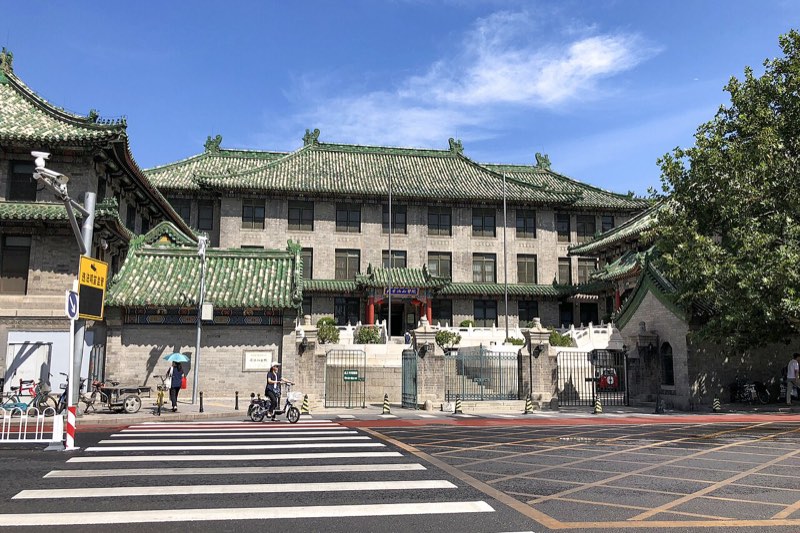
- Peking Union Medical College Hospital, Beijing: difficult and rare diagnoses. It has topped Fudan University's national hospital ranking for many years running.
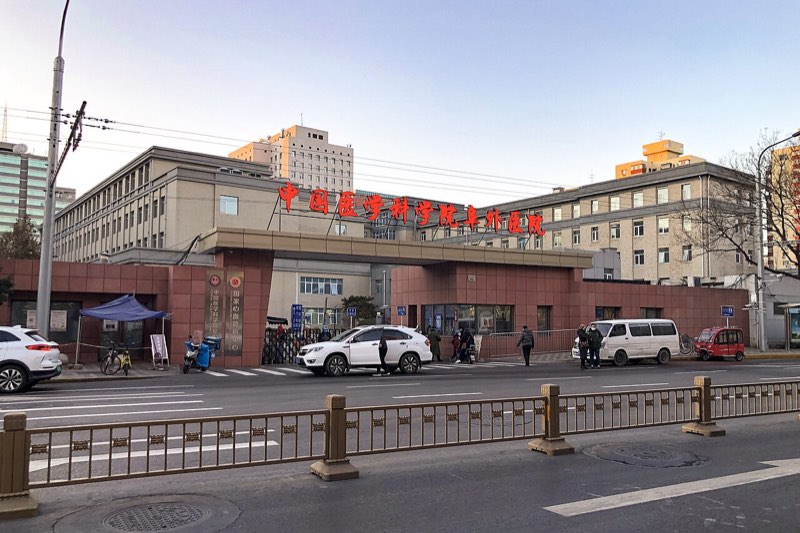
- Fuwai Hospital, Beijing: heart surgery, interventional cardiology and heart failure. It hosts China's National Center for Cardiovascular Diseases.
- Sun Yat-sen University Cancer Center, Guangzhou: cancer care, and internationally recognised for nasopharyngeal carcinoma.
- Huashan Hospital, Shanghai: brain and nerve conditions, plus dermatology and infectious diseases.
- Zhongshan Hospital, Shanghai: cardiology and cardiac surgery, and liver cancer.
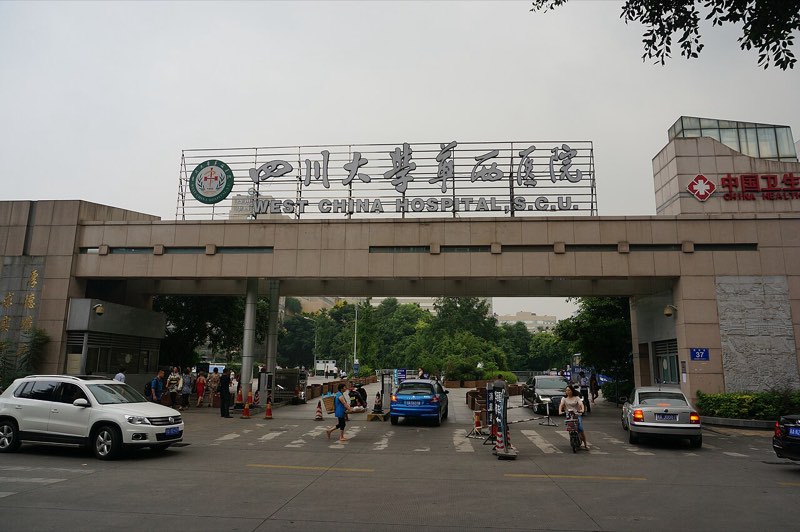
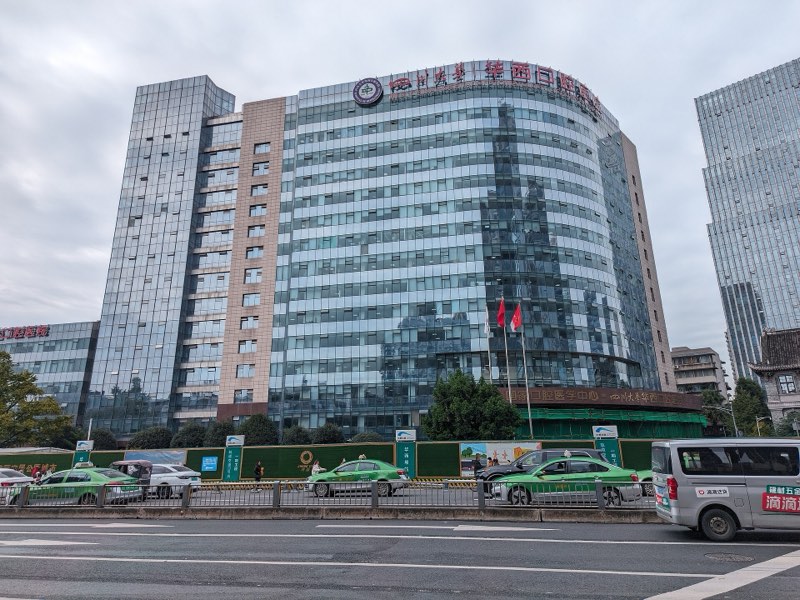
- West China Hospital, Chengdu: one of China's largest hospitals, with 43 national key clinical specialties, which makes it the broadest single option outside Beijing and Shanghai.
All of them are public hospitals, and all have an international department or special-needs clinic where foreign patients are seen. If English-speaking staff and short waits matter more to you than ranking, a private hospital such as Beijing United Family Hospital is the easier route, at private-hospital prices.
Which city is best for treatment in China?
Each city is strong in different things:
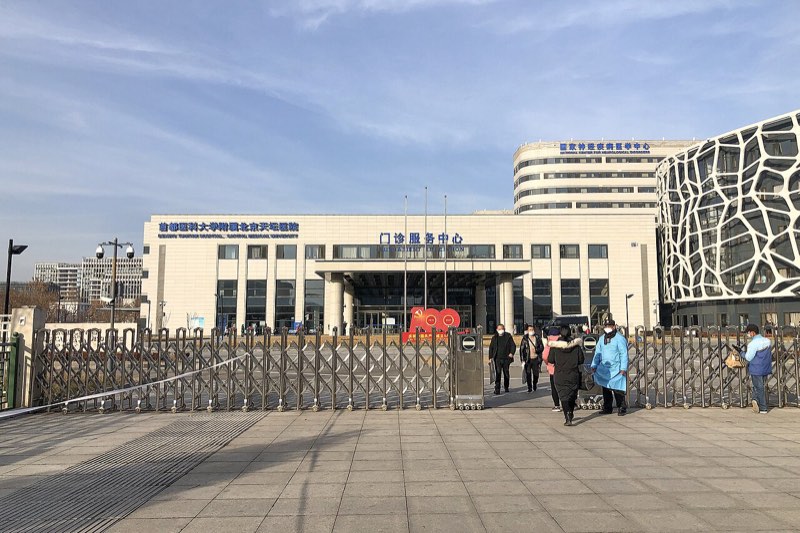
- Beijing: national centers for heart, brain, dental and rare-disease care, Tongren Hospital's long-established eye department, plus a large private hospital for expatriates.
- Shanghai: strong university hospitals for cancer, neurology, cardiology, dental and eye care, and the most English-friendly options.
- Hangzhou: home to Sir Run Run Shaw Hospital, which says it was the first hospital in mainland China to pass JCI accreditation, an hour from Shanghai by high-speed rail.
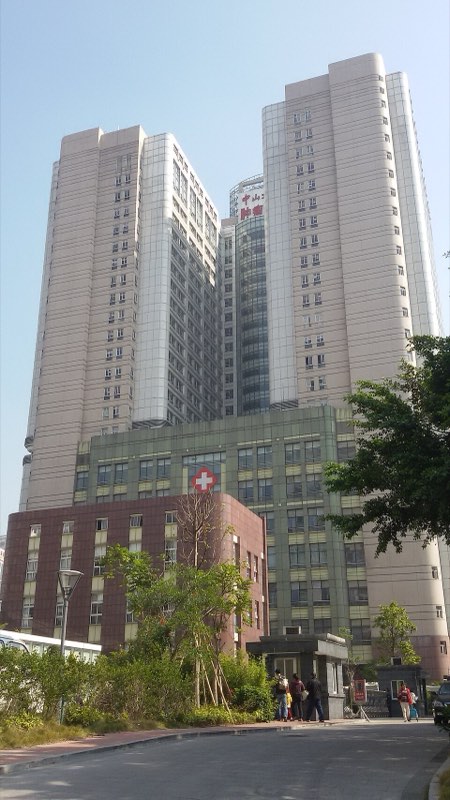
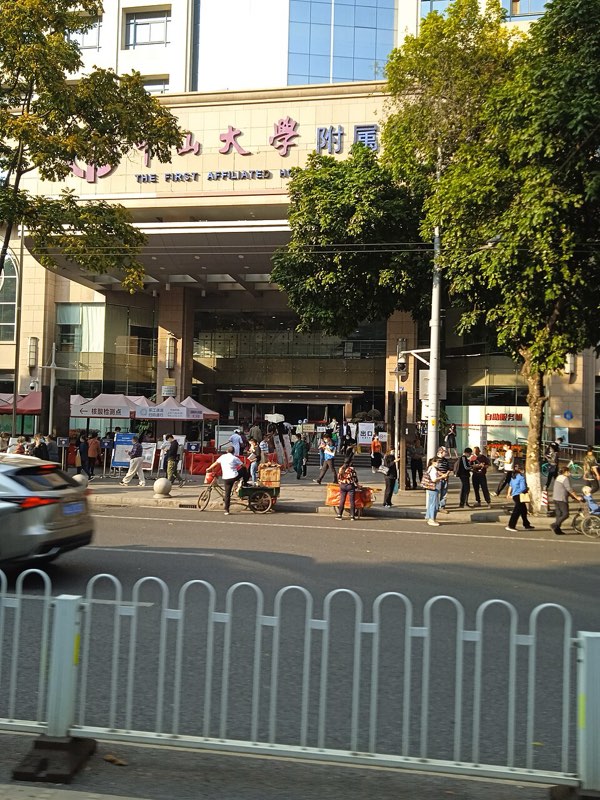
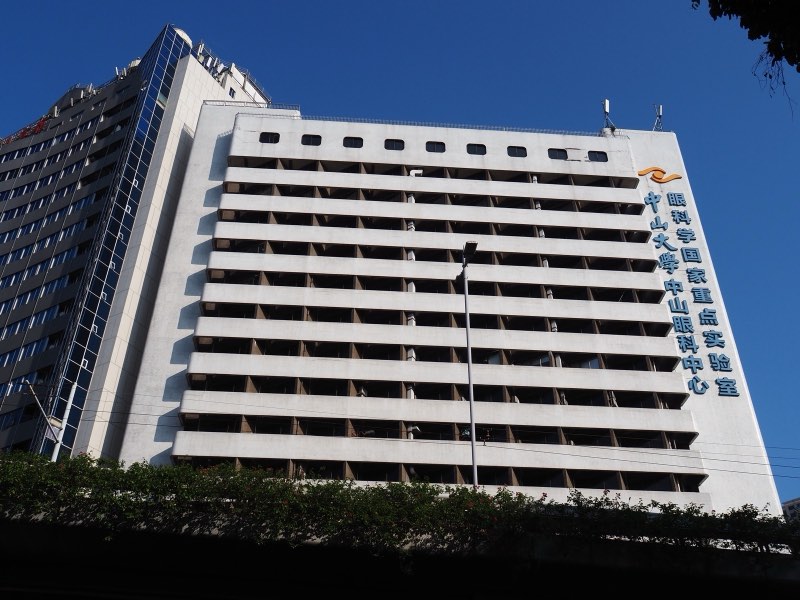
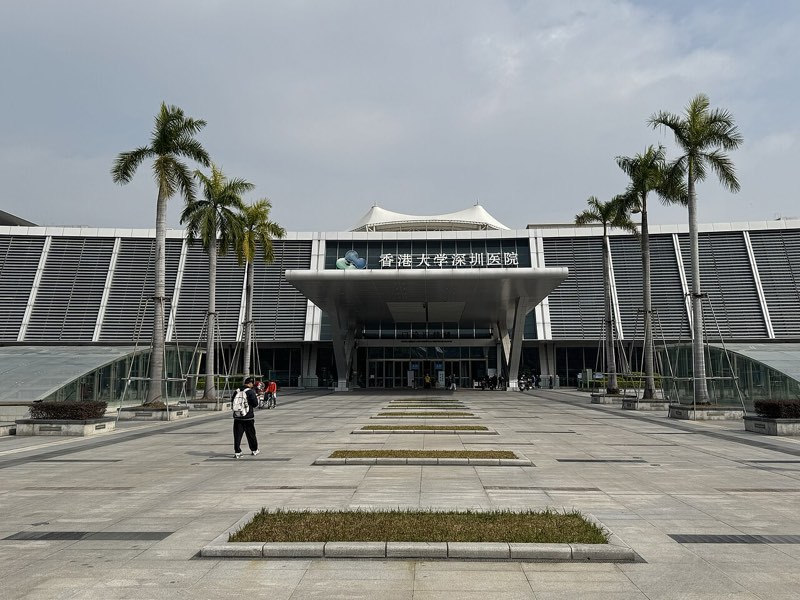
- Guangzhou and Shenzhen: Sun Yat-sen University Cancer Center, China's WHO collaborating centre for eye health, and a Hong Kong-run hospital close to the Hong Kong border. See our Shenzhen medical tourism guide for that hospital, the Hong Kong crossing and visas.
- Wuhan: large university hospitals in central China, all with international departments and health check-up centers.
- Chengdu: West China Hospital, one of China's largest, with 43 national key clinical specialties, and a national dental center.
- Hainan (Boao): the pilot zone for drugs and devices approved abroad.
How we choose these hospitals
We include large public hospitals that lead their specialty and private hospitals that foreign patients use, and we check every fact against the hospital's official website or a government source. We review each hospital at least every six months. See how we choose hospitals for the full rules and how to report a correction.
Costs and booking
Consultation fees at public hospitals are set by each province; in Guangdong they are ¥25–¥50 depending on the doctor's rank. See how much it costs to see a doctor in China, health check-up prices and dental implant prices. If you would rather not contact hospitals yourself, our coordinators can book the hospital, arrange the visa letter and go with you to appointments.